
Evidence-based supplementation
-
Most supplements are built on marketing, ours are built on data. We only use formulations with proven clinical outcomes, ensuring your daily ritual is an investment in your health, not a gamble on the latest fad.
Dive into our evidence below.
Supported by OpenEvidence.
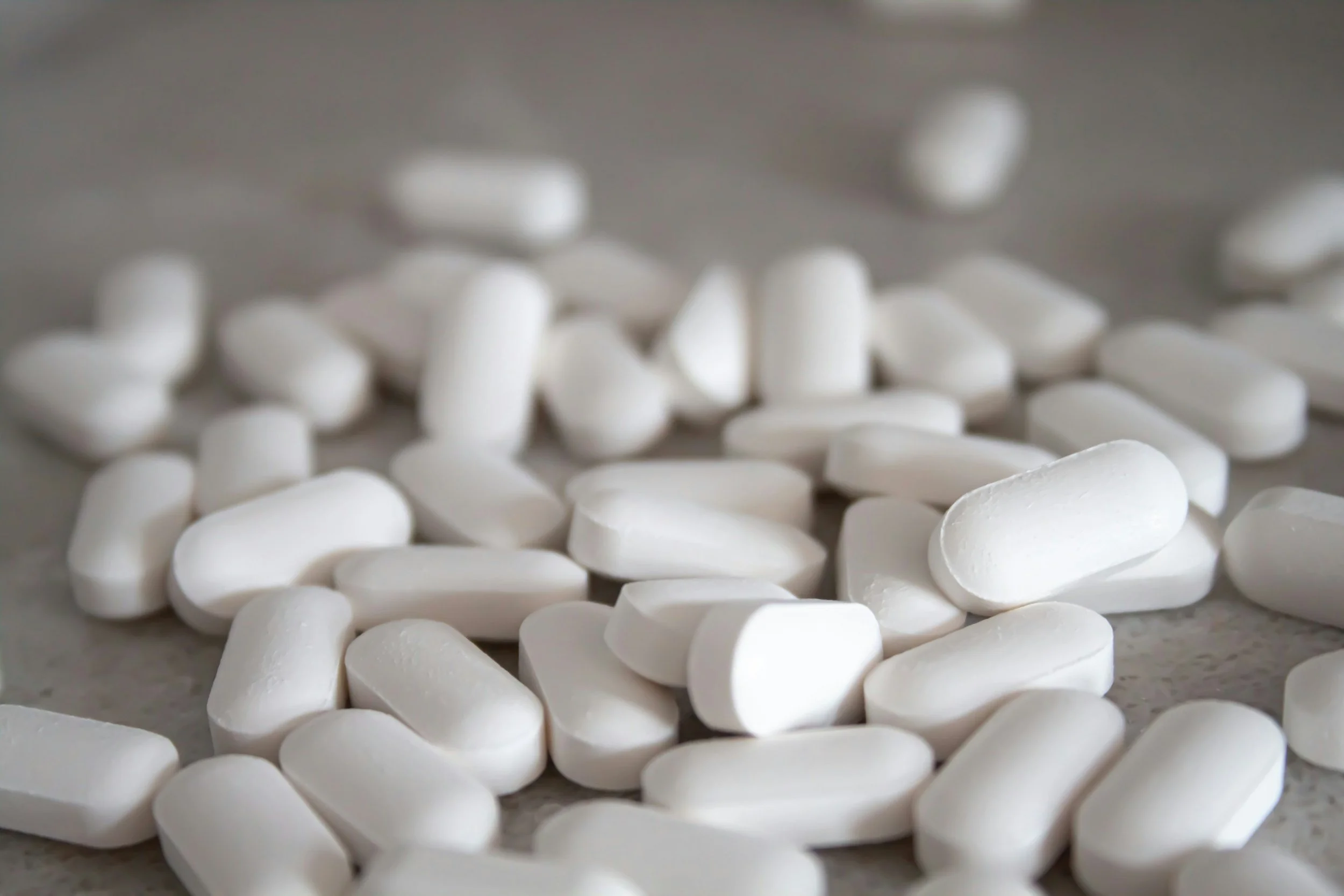
Creatine Monohydrate
Creatine supplementation is most strongly supported for healthy younger adults, who engage in resistance training, where it significantly improves muscular strength, power, and lean body mass.[1][2] Meta-analyses demonstrate statistically significant gains in compound lifts (bench/chest press, squat), vertical jump, and peak power.[1][2] The International Society of Sports Nutrition states that creatine is one of the most effective and well-studied ergogenic aids for athletes, with a strong safety profile at recommended dosages (typically 3–5 g/day or 0.1 g/kg/day).[3][4]
Older adults also benefit from creatine supplementation, particularly when combined with resistance training, with evidence for augmented gains in lean tissue mass and strength.[5][6] However, the magnitude of benefit is less than in younger populations, and effects are most robust when creatine is paired with structured resistance exercise.[6]
Vegans and vegetarians, who have lower baseline creatine stores due to dietary patterns, may experience improved physical and cognitive performance with supplementation.[7][8] Women may benefit due to lower baseline intramuscular creatine, with potential improvements in fatigue and cognitive function.[7][8]
Emerging evidence supports creatine’s utility in clinical populations, including those with sarcopenia, cachexia, neurodegenerative diseases, and certain cardiovascular conditions, though further high-quality trials are needed for definitive recommendations.[7][8][9]
Creatine monohydrate is the preferred form due to its extensive evidence base and safety profile.[3][4] Adverse effects are rare at recommended doses, and concerns about renal dysfunction or muscle cramping are not supported in healthy individuals.[3][4]
-
The Effects of Creatine Supplementation on Upper- And Lower-Body Strength and Power: A Systematic Review and Meta-Analysis. Kazeminasab F, Kerchi AB, Sharafifard F, et al. Nutrients. 2025;17(17):2748. doi:10.3390/nu17172748.
Influence of Age, Sex, and Type of Exercise on the Efficacy of Creatine Supplementation on Lean Body Mass: A Systematic Review and Meta-Analysis of Randomized Clinical Trials. Delpino FM, Figueiredo LM, Forbes SC, Candow DG, Santos HO. Nutrition (Burbank, Los Angeles County, Calif.). 2022 Nov-Dec;103-104:111791. doi:10.1016/j.nut.2022.111791.
International Society of Sports Nutrition Position Stand: Safety and Efficacy of Creatine Supplementation in Exercise, Sport, and Medicine. Kreider RB, Kalman DS, Antonio J, et al. Journal of the International Society of Sports Nutrition. 2017;14:18. doi:10.1186/s12970-017-0173-z.
Common Questions and Misconceptions About Creatine Supplementation: What Does the Scientific Evidence Really Show?. Antonio J, Candow DG, Forbes SC, et al. Journal of the International Society of Sports Nutrition. 2021;18(1):13. doi:10.1186/s12970-021-00412-w.
Current Evidence and Possible Future Applications of Creatine Supplementation for Older Adults. Candow DG, Forbes SC, Kirk B, Duque G. Nutrients. 2021;13(3):745. doi:10.3390/nu13030745.
Meta-Analysis Examining the Importance of Creatine Ingestion Strategies on Lean Tissue Mass and Strength in Older Adults. Forbes SC, Candow DG, Ostojic SM, Roberts MD, Chilibeck PD. Nutrients. 2021;13(6):1912. doi:10.3390/nu13061912.
Creatine Supplementation Beyond Athletics: Benefits of Different Types of Creatine for Women, Vegans, and Clinical Populations-a Narrative Review. Gutiérrez-Hellín J, Del Coso J, Franco-Andrés A, et al. Nutrients. 2024;17(1):95. doi:10.3390/nu17010095.
Beyond Sports: Efficacy and Safety of Creatine Supplementation in Pathological or Paraphysiological Conditions of Brain and Muscle. Balestrino M, Adriano E. Medicinal Research Reviews. 2019;39(6):2427-2459. doi:10.1002/med.21590.
Creatine in Health and Disease. Kreider RB, Stout JR. Nutrients. 2021;13(2):447. doi:10.3390/nu13020447.
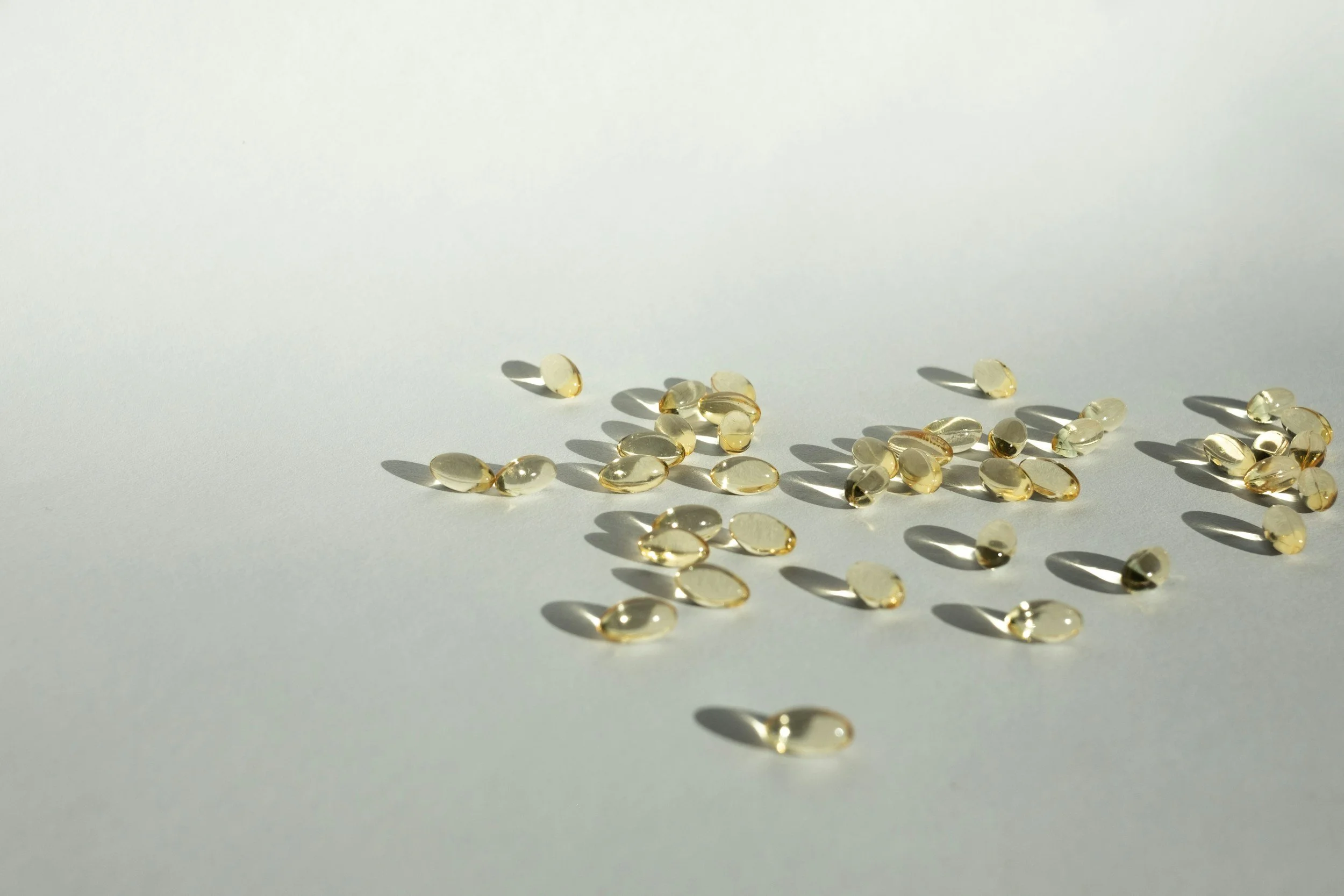
Vitamin D3
Vitamin D3 supplementation provides clear benefits for musculoskeletal health, including prevention and treatment of rickets and osteomalacia, improved bone mineral density, and reduced risk of osteoporotic fractures and falls in individuals with deficiency or increased risk.[1][2][3] There is modest evidence for improvement in mood, particularly depressive symptoms, in those with low baseline vitamin D status.[1] For the immune system, vitamin D3 acts as an immunomodulator and may reduce the risk of autoimmune diseases and respiratory infections in deficient populations, with the strongest evidence for reduced risk of multiple sclerosis and some infections.[4][5][3] Additionally, vitamin D3 supplementation is associated with a reduction in cancer mortality, especially when early follow-up years are excluded from analysis.[1][3]
Evidence for benefits in cognitive decline or dementia is limited; supplementation may offer small cognitive benefits in deficient individuals, but does not robustly prevent dementia in the general population.[1][6] Vitamin D3 may also modestly improve muscle strength in older adults with deficiency, but does not consistently improve muscle mass or power.[1][3] Supplementation reduces markers of inflammation in deficient individuals, but the clinical significance remains under investigation.[5]
Recommended dosing for adults at risk or with deficiency is 800–2000 IU of vitamin D3 daily, with up to 4000 IU/day considered safe for those with increased requirements or severe deficiency.[7][8][1][4] The Endocrine Society and the National Academy of Medicine recommend maintaining serum 25(OH)D above 50 nmol/L (20 ng/mL) for bone health, with some experts advocating for levels above 75 nmol/L (30 ng/mL) for broader health benefits.[1][4]
-
Micronutrients — Assessment, Requirements, Deficiencies, and Interventions. Allen LH. The New England Journal of Medicine. 2025;392(10):1006-1016. doi:10.1056/NEJMra2314150.
The Health Effects of Vitamin D Supplementation: Evidence From Human Studies. Bouillon R, Manousaki D, Rosen C, et al. Nature Reviews. Endocrinology. 2022;18(2):96-110. doi:10.1038/s41574-021-00593-z.
Health Effects of Vitamin D Supplementation: Lessons Learned From Randomized Controlled Trials and Mendelian Randomization Studies. Bouillon R, LeBoff MS, Neale RE. Journal of Bone and Mineral Research : The Official Journal of the American Society for Bone and Mineral Research. 2023;38(10):1391-1403. doi:10.1002/jbmr.4888.
Revisiting Vitamin D Guidelines: A Critical Appraisal of the Literature. Holick MF. Endocrine Practice : Official Journal of the American College of Endocrinology and the American Association of Clinical Endocrinologists. 2024;30(12):1227-1241. doi:10.1016/j.eprac.2024.10.011.
Physiology of Vitamin D-Focusing on Disease Prevention. Wimalawansa SJ. Nutrients. 2024;16(11):1666. doi:10.3390/nu1611166
Vitamin D Supplementation: What's Known, What to Do, and What's Needed. Haines ST, Park SK. Pharmacotherapy. 2012;32(4):354-82. doi:10.1002/phar.1037.
Vitamin D Supplementation: A Review of the Evidence Arguing for a Daily Dose of 2000 International Units (50 Μg) of Vitamin D for Adults in the General Population. Pludowski P, Grant WB, Karras SN, Zittermann A, Pilz S. Nutrients. 2024;16(3):391. doi:10.3390/nu16030391.
Vitamin D: Evidence-Based Health Benefits and Recommendations for Population Guidelines. Grant WB, Wimalawansa SJ, Pludowski P, Cheng RZ. Nutrients. 2025;17(2):277. doi:10.3390/nu17020277
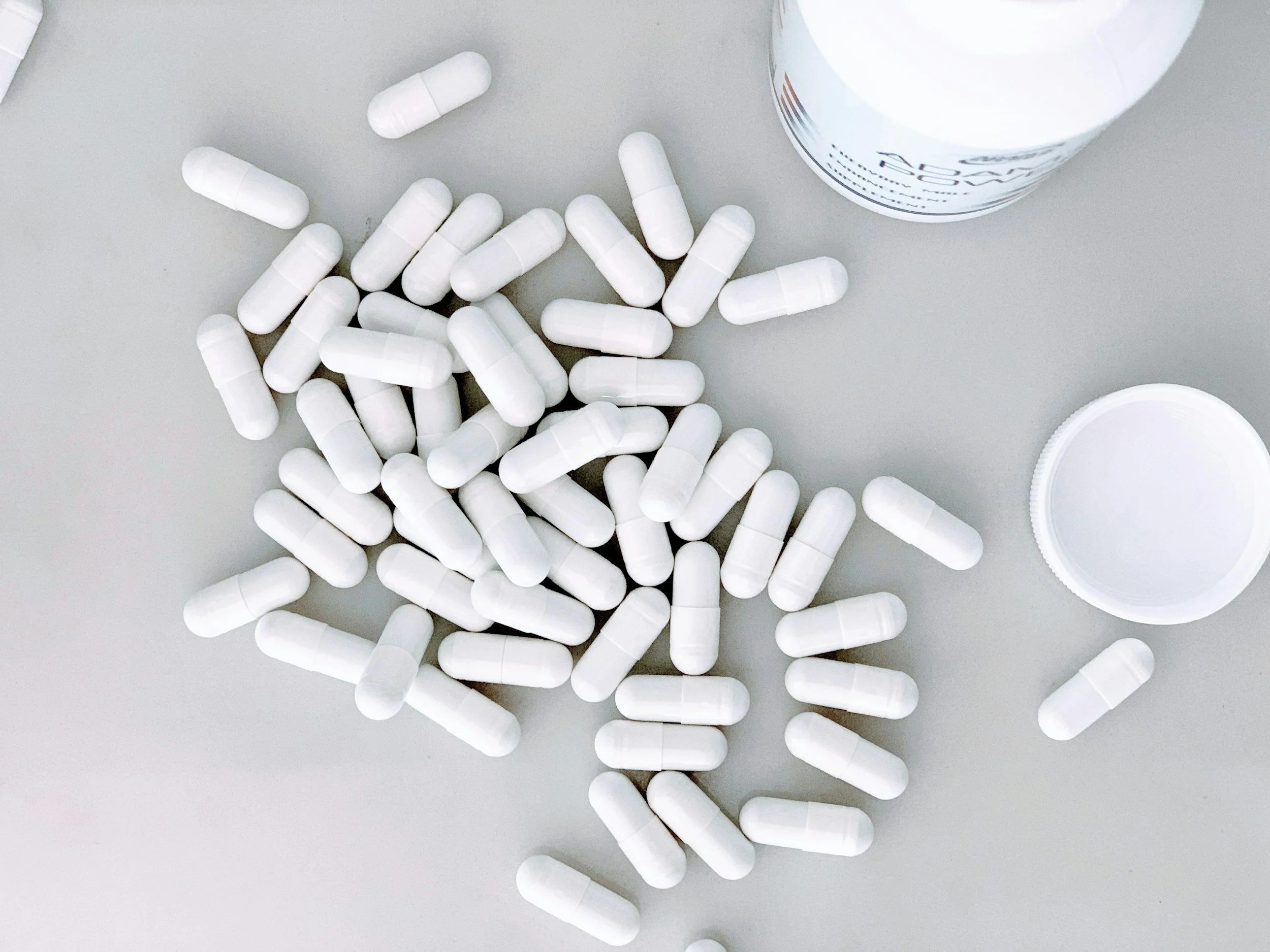
Magnesium
Magnesium supplementation provides modest benefits for recovery, particularly by reducing muscle soreness and supporting muscle health in the context of exercise, but its effects on sleep and overall exercise performance are limited.
For exercise recovery, several systematic reviews and clinical trials demonstrate that magnesium supplementation can reduce delayed onset muscle soreness, improve perceived recovery, and exert anti-inflammatory effects (e.g., lowering IL-6 after strenuous exercise) in physically active individuals and athletes.[1][2][3][4][5] These effects are most pronounced in those with increased magnesium requirements due to high training loads, with suggested intakes 10–20% higher than sedentary individuals.[1][5] However, improvements in objective performance measures (e.g., maximal force, VO₂max, sprint power) are inconsistent, and some studies report no benefit in well-nourished, non-deficient populations.[6]
Regarding sleep, observational data suggest an association between higher magnesium intake and better sleep quality and duration.[7][8] Randomized controlled trials and meta-analyses show a small reduction in sleep onset latency (about 17 minutes) but no significant increase in total sleep time or consistent improvement in sleep quality scores.[9][10]
In summary, magnesium supplementation may reduce muscle soreness and modestly support recovery in athletes and physically active individuals, but its benefits for sleep and exercise performance are limited.[1][4][2][3][5][9][10][6]
-
Effects of Magnesium Supplementation on Muscle Soreness in Different Type of Physical Activities: A Systematic Review. Tarsitano MG, Quinzi F, Folino K, et al. Journal of Translational Medicine. 2024;22(1):629. doi:10.1186/s12967-024-05434-x.
One Week of Magnesium Supplementation Lowers IL-6, Muscle Soreness and Increases Post-Exercise Blood Glucose in Response to Downhill Running. Steward CJ, Zhou Y, Keane G, et al. European Journal of Applied Physiology. 2019;119(11-12):2617-2627. doi:10.1007/s00421-019-04238-y.
Effects of Magnesium Supplementation on Muscle Soreness and Performance. Reno AM, Green M, Killen LG, et al. Journal of Strength and Conditioning Research. 2022;36(8):2198-2203. doi:10.1519/JSC.0000000000003827.
Role of Magnesium in Skeletal Muscle Health and Neuromuscular Diseases: A Scoping Review. Liguori S, Moretti A, Paoletta M, Gimigliano F, Iolascon G. International Journal of Molecular Sciences. 2024;25(20):11220. doi:10.3390/ijms252011220.
The Importance of Vitamin D and Magnesium in Athletes. Dominguez LJ, Veronese N, Ragusa FS, et al. Nutrients. 2025;17(10):1655. doi:10.3390/nu17101655.
Short-Term Magnesium Supplementation Has Modest Detrimental Effects on Cycle Ergometer Exercise Performance and Skeletal Muscle Mitochondria and Negligible Effects on the Gut Microbiota: A Randomized Crossover Clinical Trial. Bomar MC, Ewell TR, Brown RL, et al. Nutrients. 2025;17(5):915. doi:10.3390/nu17050915.
Association of Magnesium Intake With Sleep Duration and Sleep Quality: Findings From the CARDIA Study. Zhang Y, Chen C, Lu L, et al. Sleep. 2022;45(4):zsab276. doi:10.1093/sleep/zsab276.
The Role of Magnesium in Sleep Health: A Systematic Review of Available Literature. Arab A, Rafie N, Amani R, Shirani F. Biological Trace Element Research. 2023;201(1):121-128. doi:10.1007/s12011-022-03162-1.
The Management of Chronic Insomnia Disorder and Obstructive Sleep Apnea (Insomnia/OSA) (2025). Amir Sharafkhaneh MD PhD, Aaron Thomas MD, Christi Ulmer PhD DBSM, et al. Department of Veterans Affairs.
Oral Magnesium Supplementation for Insomnia in Older Adults: A Systematic Review & Meta-Analysis. Mah J, Pitre T. BMC Complementary Medicine and Therapies. 2021;21(1):125. doi:10.1186/s12906-021-03297-z.